
AI will save web3 gaming’s competitive landscape
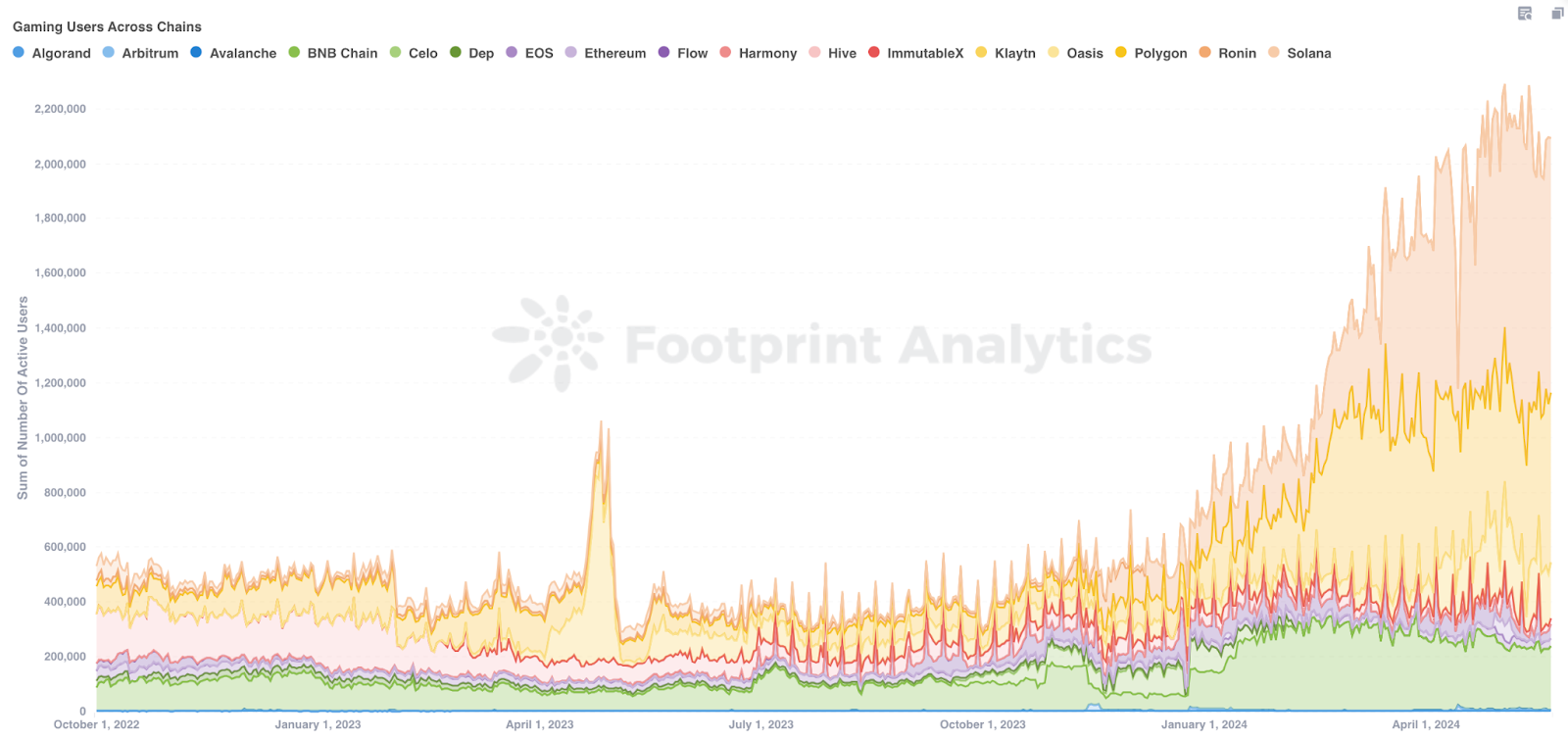
Web3 video games face important challenges in participant adoption. A latest report highlighted that merely 7.9% of web3 video games have over 1,000 customers. This shortage of gamers, or “participant liquidity,” leads to lengthy matchmaking instances, suboptimal aggressive experiences, and financial challenges that influence studios’ skill to generate income and maintain improvement.
The elemental answer to those challenges extends past merely rising participant numbers, which is inherently gradual. As an alternative, creating AI avatars—“digital blueprints” of gamers’ abilities—can instantly improve participant liquidity. These avatars permit video games to function seamlessly by filling matches with competent gamers, even when human participant counts are low—successfully fixing the participant liquidity downside in web3 video games.
That is attainable by means of a course of known as imitation studying, which implements a meticulous and high-fidelity course of to coach AI fashions, making certain they precisely mirror a participant’s gameplay type and techniques. It’s not merely about letting AI bots function autonomously; it entails cautious calibration to take care of the human imprint on the AI, preserving the nuances of participant habits.
The ensuing AI avatars can compete independently whereas reflecting their human creators’ ability stage and strategic depth. This rigorous strategy preserves the aggressive integrity and dynamism of the sport surroundings.
By enabling gamers to switch their abilities into an AI blueprint, video games can constantly backfill matches with these AI avatars, making certain no drop in gameplay expertise whether or not the human gamers are on-line or not. This considerably mitigates the participant liquidity difficulty by sustaining a fuller and extra lively participant pool.
The idea of “parallel play” emerges as a secondary advantage of this know-how. With their abilities encapsulated in AI avatars, gamers can concurrently prolong their presence throughout a number of environments inside the identical sport and even totally completely different sport modes. This functionality not solely opens up extra alternatives for gamers to compete and win but additionally enriches the gaming expertise by making certain extra strong and numerous competitions.
Whereas some might categorical considerations that the presence of AI might diminish the worth of human ability and competitors, the truth noticed in video games like our flagship AI Area—wherein gamers use imitation studying to coach AI fighters—suggests in any other case. Gamers have a tendency to take a position important effort into coaching their avatars, which deepens their engagement with the sport and enhances their very own abilities by means of observing their avatars’ performances.
For gaming studios, this strategy guarantees a constant, lively participant base, faster matchmaking, balanced competitions, and a superior gaming expertise. It additionally presents new avenues for monetization, comparable to speculating on AI avatar matches and buying and selling or promoting avatars.
For gamers, the advantages are plentiful: elevated engagement, potential for better rewards, flexibility, comfort, and an enriched studying surroundings. Gamers can successfully take part of their favourite web3 video games and develop their abilities, even when away from their consoles or PCs.
As we glance to the longer term, it’s evident that the mixing of AI avatars will revolutionize the web3 gaming panorama by addressing the essential problem of participant liquidity and unlocking expansive new alternatives for engagement and monetization. The subsequent period of gaming guarantees to be extra accessible, rewarding, and fascinating, pushed by the adoption of this transformative know-how.